Home » Non-Engineer Struggling with CAT Quant? The Honest Truth Every Aspirant Should Know
CAT Preparation Tips
Non-Engineer Struggling with CAT Quant? The Honest Truth Every Aspirant Should Know
Scared of CAT Quant as a non-engineer? You're not alone. Discover the honest truth about CAT Quant preparation and how non-engineers can crack it with the right strategy.
Non-Engineer Struggling with CAT Quant? The truth is that CAT Quant is not about engineering-level mathematics but about logical problem-solving and consistent practice. Most CAT Quant questions are based on Class 8–10 concepts like arithmetic, algebra, and geometry. With a clear strategy, regular mock tests, and concept-based preparation, non-engineers can score high percentiles in CAT Quant and compete with engineers effectively.
We hope you find this blog informational. If you want a FREE DEMO, click here.
I'm a Non-Engineer and Quant Scares Me. Here's the Honest Truth Nobody Tells You
If you’re a non-engineer preparing for CAT, chances are you’ve had this thought at least once:
“How will I compete with engineers in Quant?”
Commerce, arts, humanities, and BBA students often feel that Quantitative Aptitude is their biggest weakness. And honestly, the fear is real.
But here’s the truth nobody tells you.
CAT Quant is not about being an engineer. It’s about problem-solving.
📌TL;DR - Non-Engineer Struggling with CAT Quant
CAT Quant tests logic and problem-solving, not advanced engineering math.
Most questions come from Class 8–10 level topics like arithmetic and algebra.
Many engineers struggle too because they haven’t practiced basics in years.
The real challenge for non-engineers is often quant anxiety, not ability.
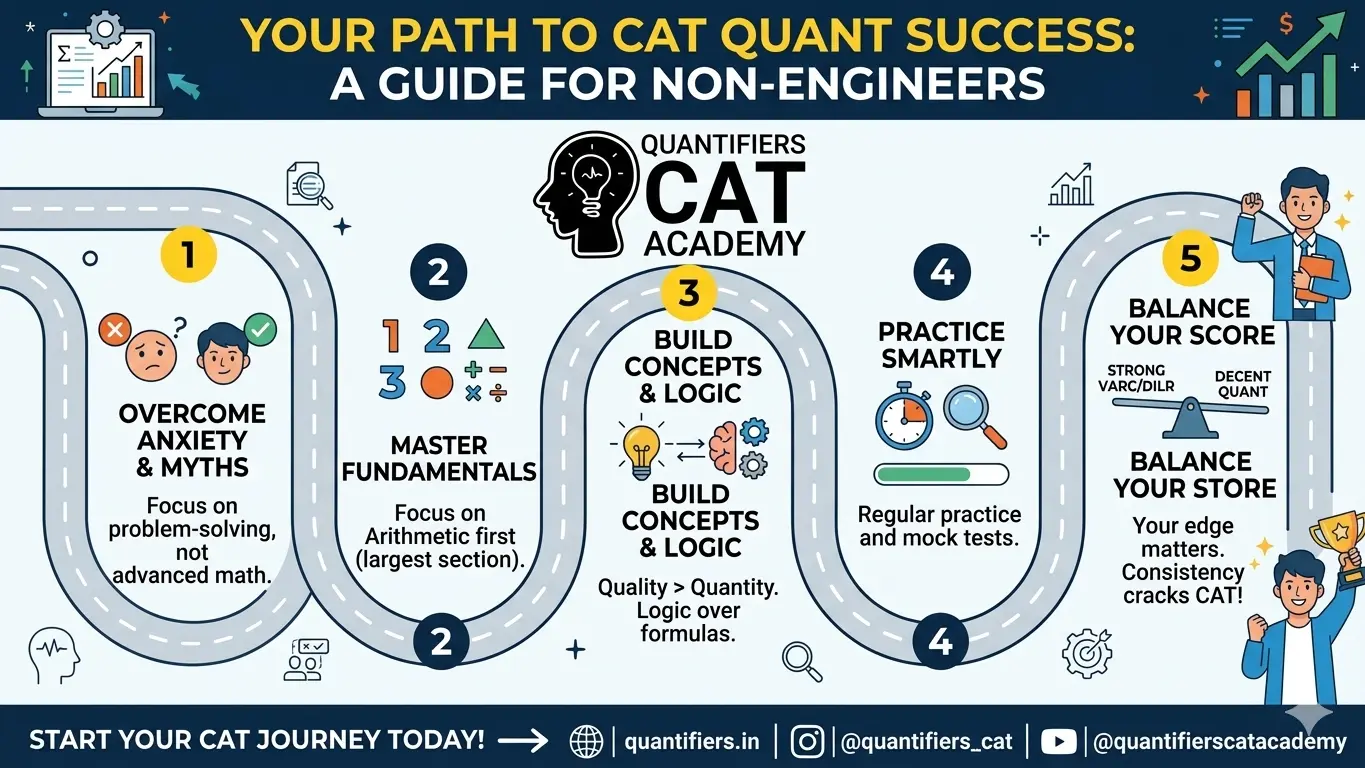
Start with Arithmetic: percentages, ratios, profit & loss, time & work.
Focus on understanding concepts instead of memorizing formulas.
Solve quality practice questions instead of random problem sets.
Take regular mock tests to improve speed and question selection.
Strong VARC performance can balance weaker Quant scores.
Consistency beats background — thousands of non-engineers crack CAT every year.
The Biggest Myth: Engineers Automatically Dominate Quant
Many CAT aspirants assume engineers have a massive advantage in Quant.
But the reality?
Most engineers haven’t practiced basic arithmetic or algebra for years. They also struggle with CAT-level questions because CAT focuses on logical thinking and smart shortcuts, not heavy mathematics.
That means non-engineers can absolutely compete—and win.
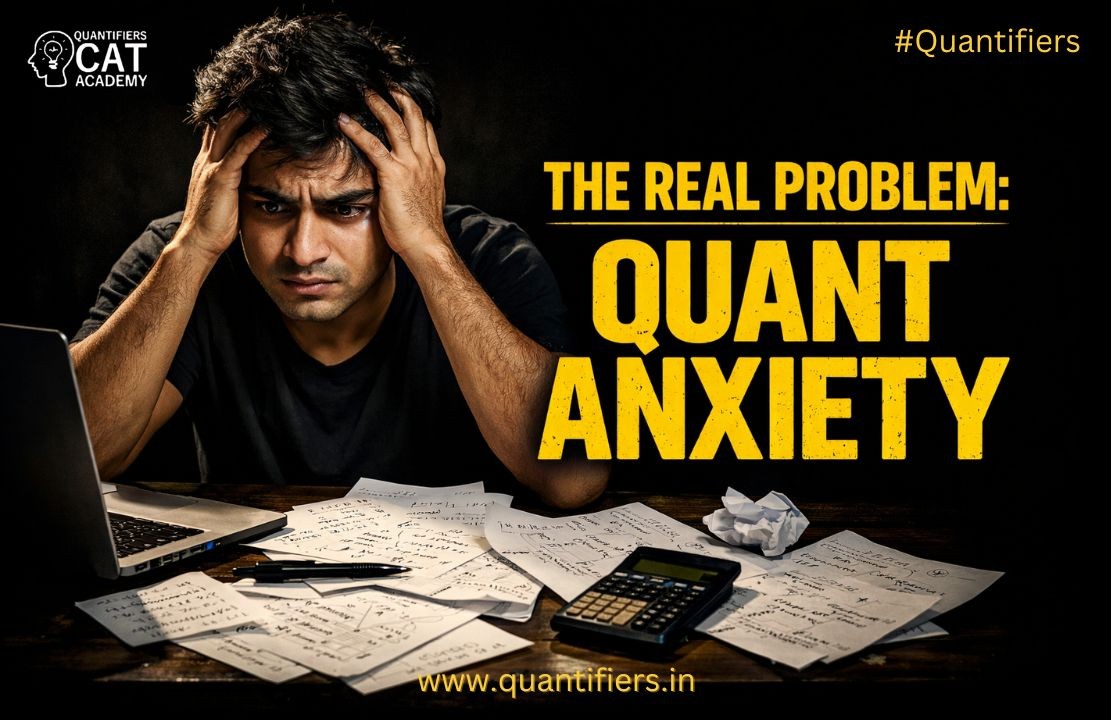
The Real Problem: Quant Anxiety
For many non-engineers, the real issue is quant anxiety, not quant ability.
Students often:
Avoid practicing quant questions
Feel intimidated by formulas
Compare themselves with engineers
Lose confidence before even trying
But CAT Quant mostly tests Class 8–10 level mathematics.
Topics like:
Arithmetic
Algebra
Geometry
Number System
Modern Math
With consistent practice, these topics become manageable.
Free Resources for CAT 2026
Discover the most complete list of free resources for CAT 2026 — from free CAT mock tests and CAT previous year questions to DILR sets, VARC practice, quant formula book, and GDPI handbooks. All curated by Quantifiers. All free. All updated.
But the moment you start practicing regularly, the fear slowly disappears.
The real difference between students who succeed and those who don’t is simple:
Consistency
Not background. Not degree. Not engineering.
Build a Daily Study Routine for CAT 2026
Consistency plays a crucial role in CAT 2026 preparation. To help aspirants stay disciplined and exam-ready, we post daily study targets covering Quant, DILR, and VARC practice.
If you’re a non-engineer afraid of CAT Quant, remember this:
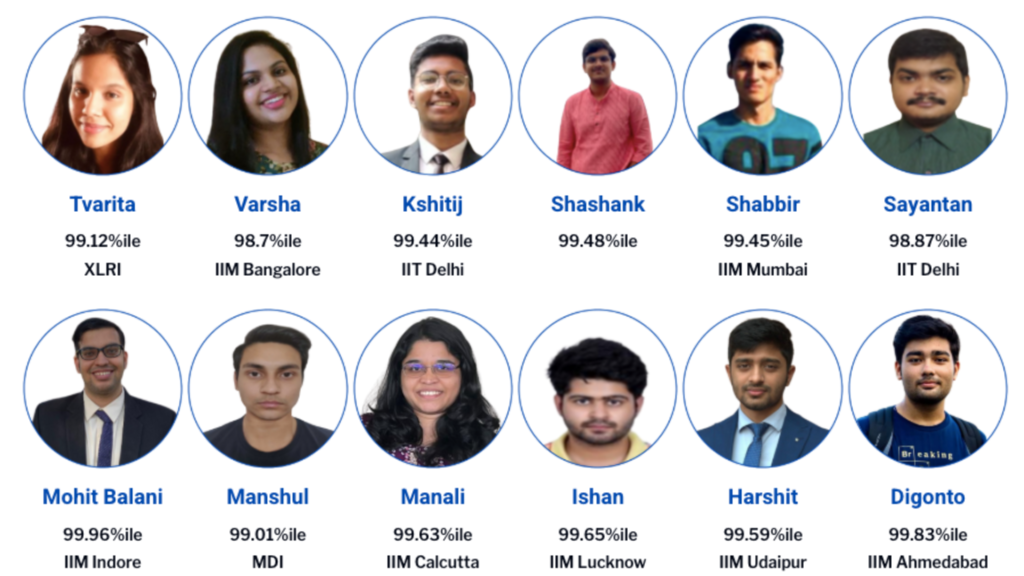
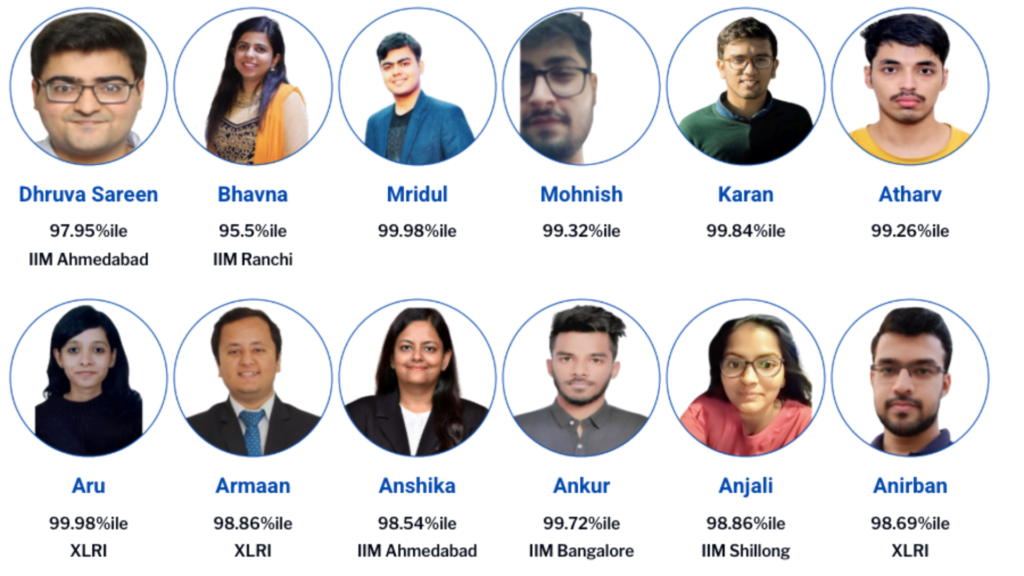
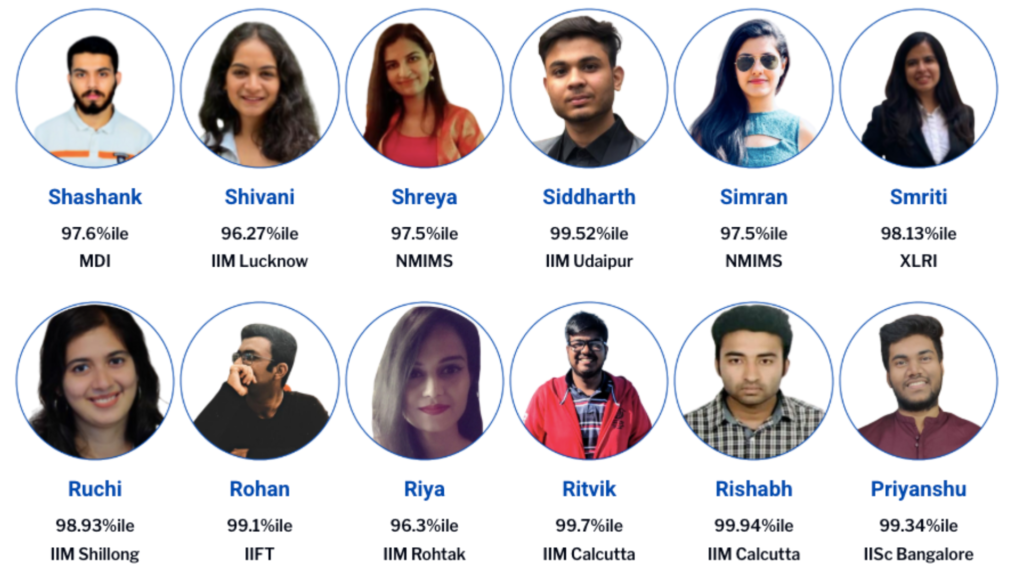
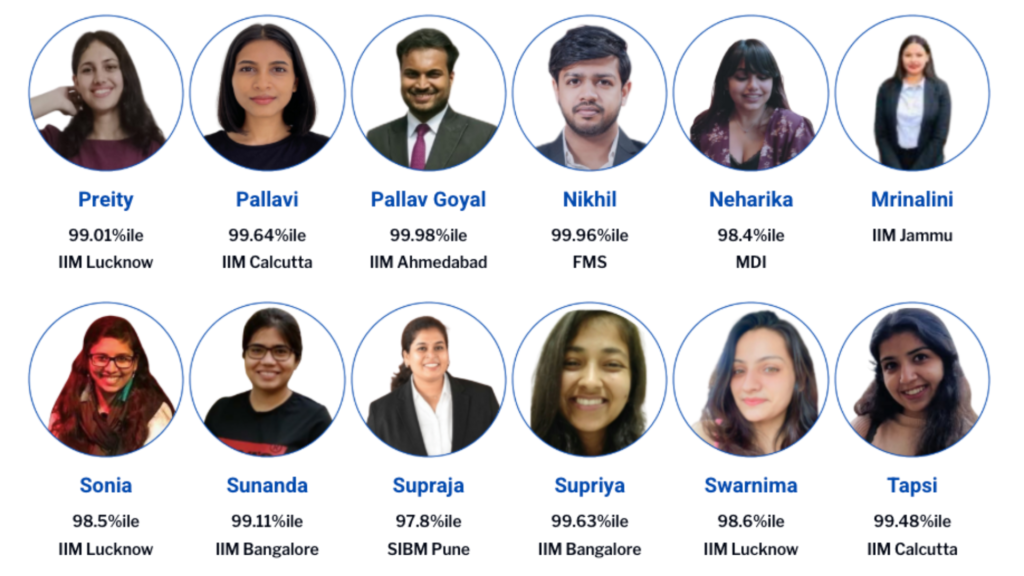
Thousands of non-engineers crack CAT every year.
What they do differently is start early, stay consistent, and follow the right guidance.
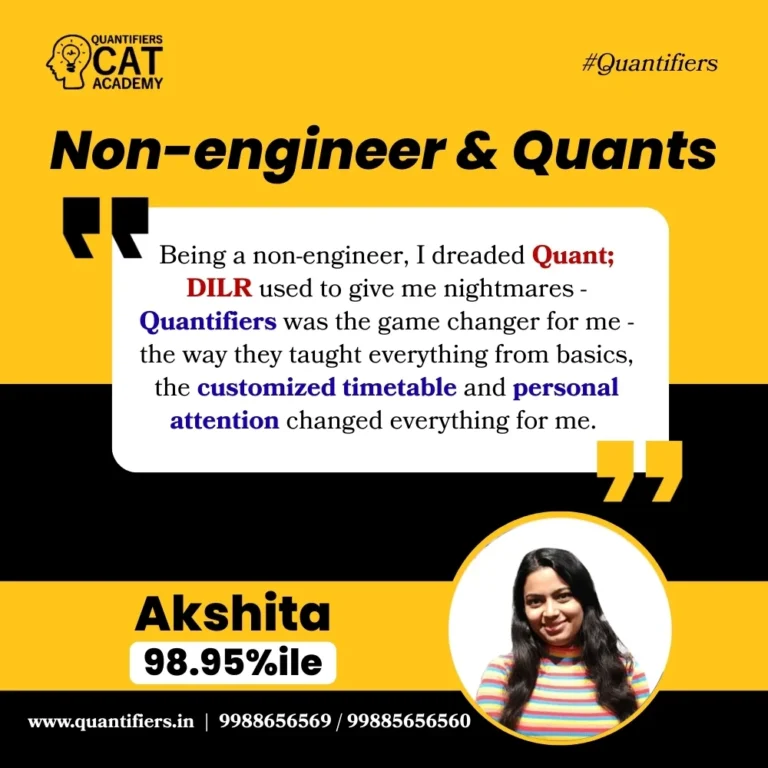
At Quantifiers CAT Academy, mentors help students break down Quant concepts step-by-step so even beginners can build confidence and improve their scores.
Because at the end of the day, Quant is not about being an engineer. It’s about learning how to think.
Beginners should start with fundamental arithmetic concepts and gradually move to algebra, geometry, and advanced topics.
Planning for MBA 2026-27? Start Smart. Start Today.
Your MBA journey doesn’t have to be confusing. At Quantifiers CAT Academy, we mentor students from the ground up—whether you’re preparing for CAT or exploring exams like SNAP, NMAT, CMAT, IIFT and MICAT. With personalised attention, proven strategies and performance-focused guidance, we help you build strong fundamentals, boost accuracy, and stay consistent throughout your preparation journey.
Non-Engineer Struggling with CAT Quant? Here’s the Reality
Many non-engineers preparing for the CAT exam worry that they are at a disadvantage in Quantitative Aptitude compared to engineers. However, CAT Quant is primarily based on logical reasoning and Class 8–10 level mathematics such as arithmetic, algebra, geometry, and number systems.
Engineers do not automatically dominate CAT Quant because the exam focuses on problem-solving ability rather than advanced mathematics. With the right preparation strategy—starting with arithmetic fundamentals, practicing concept-based questions, and regularly taking mock tests—non-engineers can build strong quantitative skills.
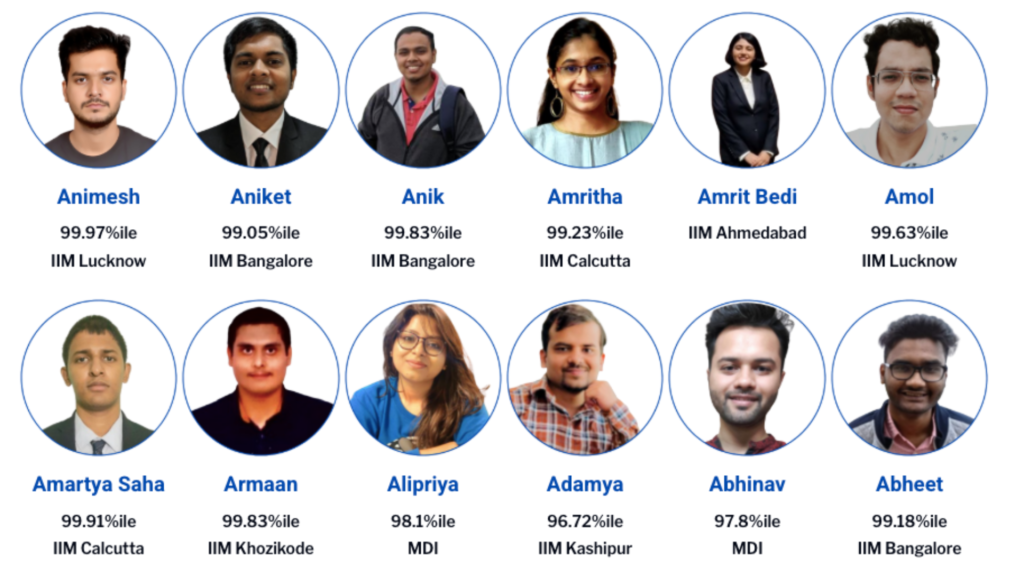
Many non-engineers score 90–95+ percentile in CAT Quant every year by focusing on consistency, smart practice, and effective test strategies. Strong performance in other sections like VARC can also balance overall CAT percentile, helping candidates secure admission to top MBA colleges.
The key takeaway: CAT Quant success depends on preparation and strategy, not academic background.
To connect with us, for mentorship and daily test practice DM us on Instagram or WhatsApp. We reply back 24/7. Get your CAT prep started
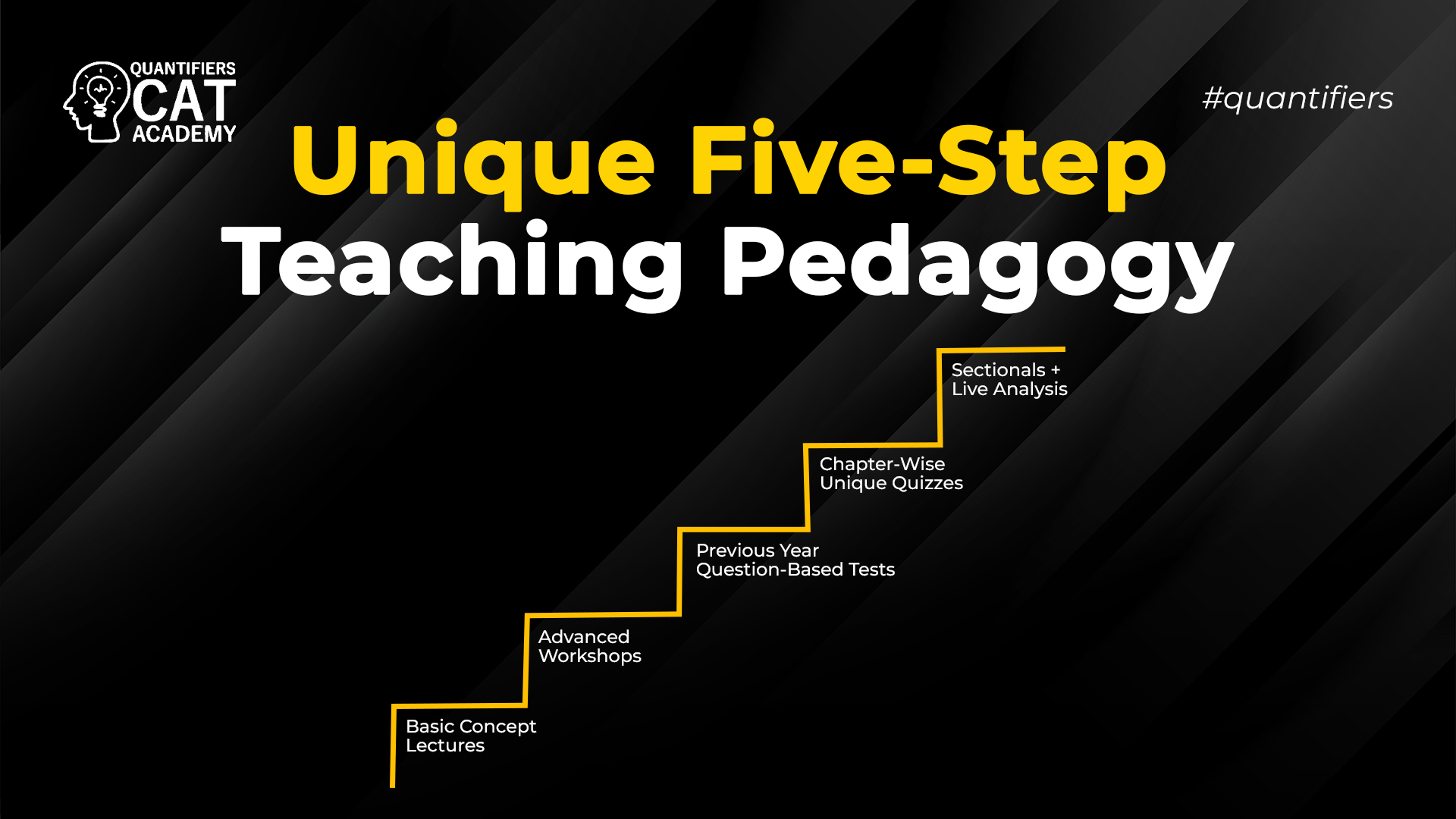
We at Quantifiers understand and deliver on the personal attention each of our students requires. Whether it is through our pedagogy that enables non-engineers or non-math background students, our constant effort to proactively provide solutions, or our focus on our student’s goals.