Prepare for Algebra for CAT 2026

300 Most Important Algebra Questions for CAT

Quantitative Aptitude is a critical component of various competitive exams, including the Common Admission Test (CAT). It assesses your numerical and mathematical ability to solve complex problems quickly and accurately. In simpler terms, it’s your mathematical prowess, analytical skills, and problem-solving capacity.

At its core, Quantitative Aptitude involves mathematical concepts such as arithmetic, algebra, geometry, number system, and data interpretation. It measures your aptitude for dealing with quantitative information, making it an essential skill in today’s data-driven world.

Quantifiers is your trusted partner in mastering Quant for the CAT exam. Our expert faculty, comprehensive study materials, and personalized coaching ensure you build a strong foundation. We offer 24*7 doubt-solving, mock tests with detailed analytics, and time management strategies to boost your confidence. 

Don't Miss Today's CAT Challenge!
Access Your Targets & Elevate
Your CAT Prep!

Understanding Algebra

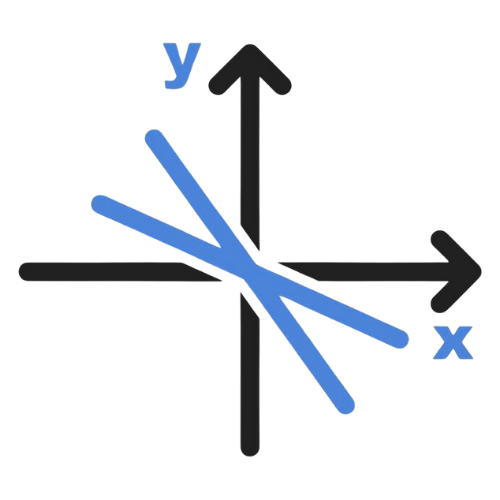
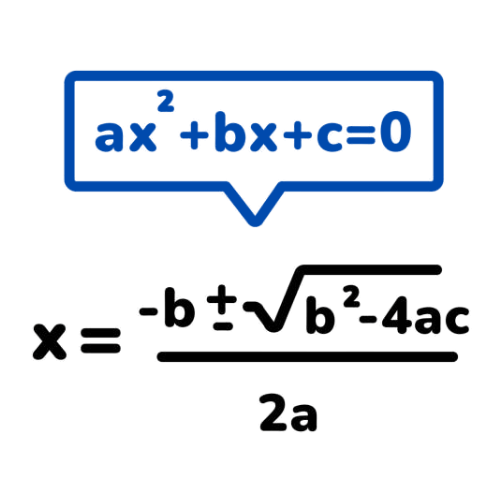
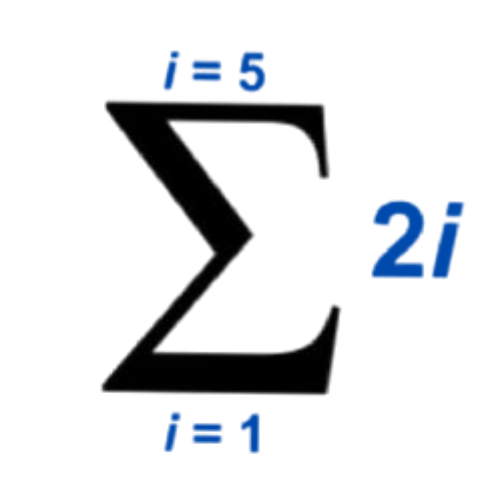
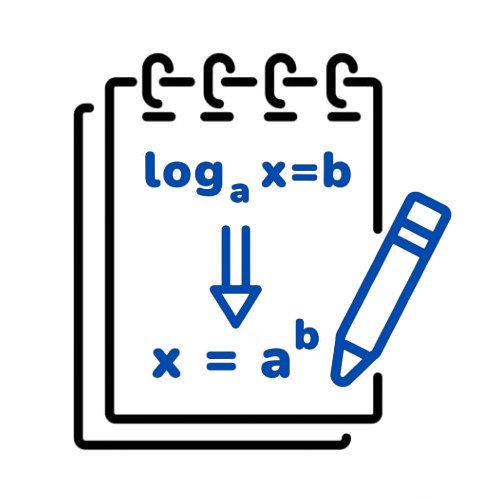
Algebra plays a pivotal role in the CAT exam, as it is both foundational and versatile. The questions test your ability to work with variables and equations, which are critical for solving real-world problems. Topics such as linear equations, quadratic equations, inequalities, logarithms, polynomials, and progressions are frequently covered in the exam. A typical CAT Algebra problem might involve solving systems of equations, simplifying expressions, or analyzing the behavior of functions and graphs. These problems require not just mathematical proficiency but also logical reasoning and time management skills. For instance, quadratic equations often appear with a twist, demanding innovative approaches like factorization or completing the square. Similarly, understanding arithmetic and geometric progressions can help solve pattern-based problems quickly and accurately.

best CAT Coaching

We at Quantifiers understand and deliver on the personal attention each of our students requires. Whether it is through our pedagogy that enables non-engineers or non-math background students, our constant effort to proactively provide solutions, or our focus on our student’s goals.